GLP-1 Side Effects and How to Manage Them — Indian Diet Edition
Side effects are the number one reason people hesitate to start — and quit. Here's the honest list, why they happen, and practical ways to manage each one around real Indian food.
ALTRcare Medical Team
Clinical Editorial
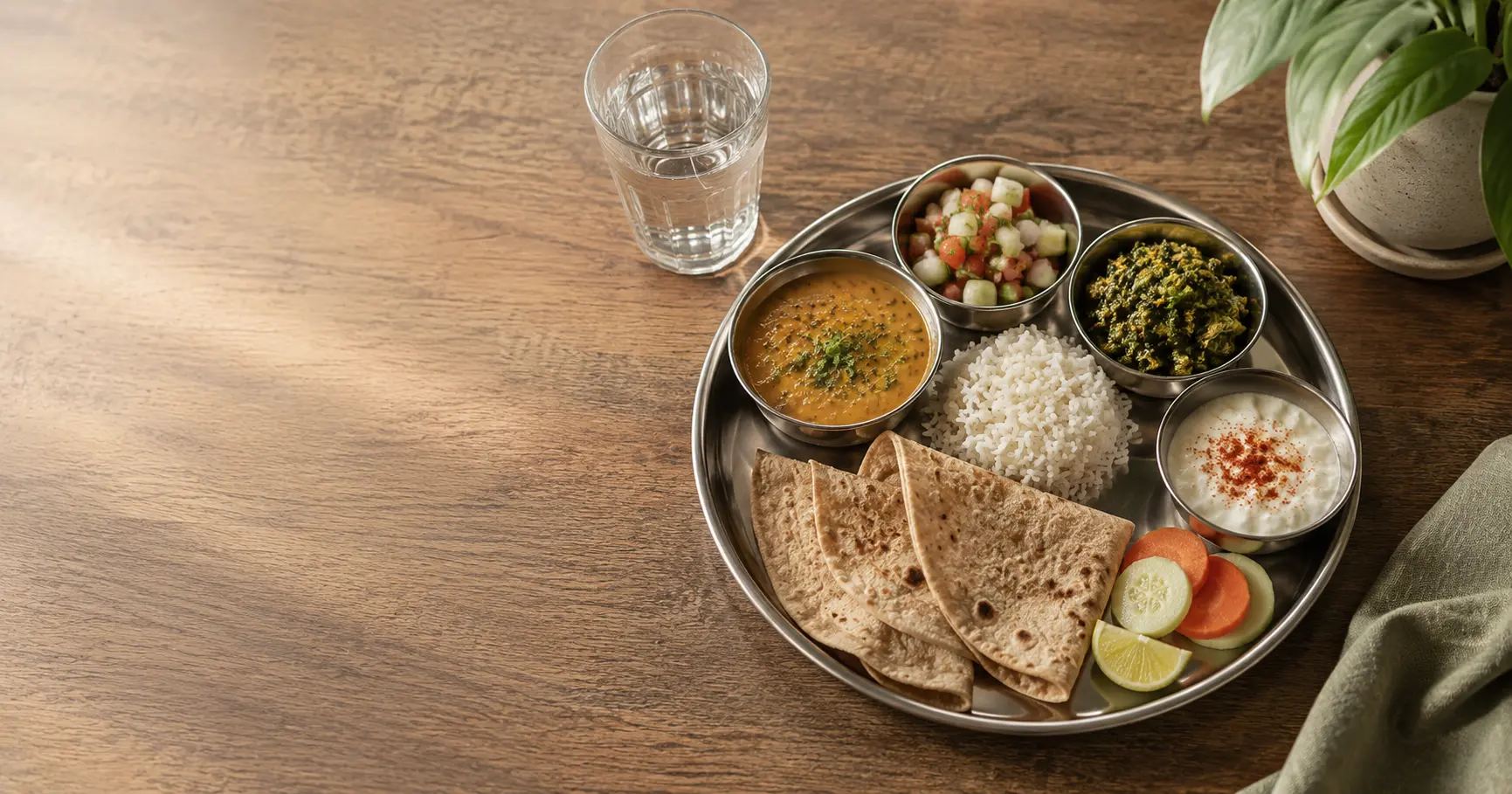
Let's be honest about the part most clinics gloss over: GLP-1 medications can have side effects. The good news is that for most people they're mild, temporary, and very manageable — especially once you know what causes them and how to adjust your meals. Here's the practical guide.
Why side effects happen at all
GLP-1 drugs slow how fast your stomach empties. That's part of how they keep you full — but it's also why eating too much, too fast, or too oily can cause discomfort. Most side effects are your digestion adjusting to a new pace.
Nausea — the most common one
Usually mild and worst in the first days and around dose increases. It typically fades as your body adapts.
- Eat smaller portions and stop when you feel full — don't push to finish the plate.
- Go easy on very oily and very spicy food (fried snacks, heavy gravies) early on.
- Ginger — as ginger tea or in food — genuinely helps many people.
- Don't lie down right after eating; stay upright for a while.
Constipation — very common, easily managed
Eating less means less fibre and less water by default, which slows things down. The fix is deliberate fibre and hydration.
- Add fibre: vegetables, whole dals, fruit, and a spoon of soaked isabgol (psyllium) if your doctor agrees.
- Hydrate steadily through the day — easy to forget when you're eating less.
- Light daily movement, even a walk, helps digestion considerably.
Want a plan that includes side-effect support?
Take the 2-minute assessment. Our doctors titrate slowly and guide you through managing any side effects.
Acid reflux or heartburn
Slower stomach emptying can nudge reflux in some people. Smaller meals, avoiding very late dinners, and staying upright after eating usually settle it. Tell your doctor if it persists.
Fatigue or low energy
Often a side effect not of the drug itself but of eating too little, too fast. Make sure you're getting enough protein and not skipping meals entirely. Steady energy returns once intake is balanced.
The golden rule
Most side effects come from eating like you used to on a drug that's changed how your stomach works. Smaller, slower, protein-first meals solve the majority of them.
Side effects that need a doctor — not patience
Severe or persistent vomiting, intense abdominal pain (especially radiating to the back), signs of dehydration, or yellowing of the skin/eyes are not 'push through it' symptoms. Contact your care team promptly.
Key takeaways
- Most GLP-1 side effects are mild, temporary, and worst around dose increases.
- Nausea: smaller portions, less oily/spicy food, ginger, stay upright after eating.
- Constipation: more fibre, steady water, daily movement.
- Most issues come from eating too much/too fast — protein-first, slower meals fix them.
- Severe pain, persistent vomiting, or dehydration need a doctor, not patience.
Worried about a specific side effect?
Message our care team — we'll talk through how we manage it and keep you comfortable.
Frequently asked questions
How do I stop nausea on semaglutide?
Eat smaller portions, avoid very oily and spicy food early on, try ginger tea, stay upright after meals, and don't push to finish your plate. Nausea is usually mild and fades as your body adjusts, especially with slow dose titration.
Does GLP-1 cause constipation, and how do I fix it?
Yes, because you eat less fibre and water by default. Add vegetables, dals and fruit, hydrate steadily, move daily, and ask your doctor about psyllium (isabgol). It's very manageable.
Which GLP-1 side effects are serious?
Severe or persistent vomiting, intense abdominal pain (especially radiating to the back), signs of dehydration, or yellowing of the skin or eyes need prompt medical attention rather than waiting it out.
Ready to take the next step?
Take the free 2-minute eligibility assessment. A doctor reviews it before anything is prescribed — no obligation.
This article is for general educational purposes and is not a substitute for personalised medical advice. GLP-1 medications are prescription-only and not suitable for everyone. Always consult a qualified doctor before starting, changing, or stopping any treatment.


