‘Food Noise’: The Constant Mental Chatter About Food — and Why Indian Life Turns It Up
Patients on GLP-1s keep describing the same surprise: not that they eat less, but that the thinking stops. Here's the science of food noise, why the Indian food environment is uniquely loud, and why silence — not willpower — is what these medicines actually provide.
ALTRcare Medical Team
Clinical Editorial
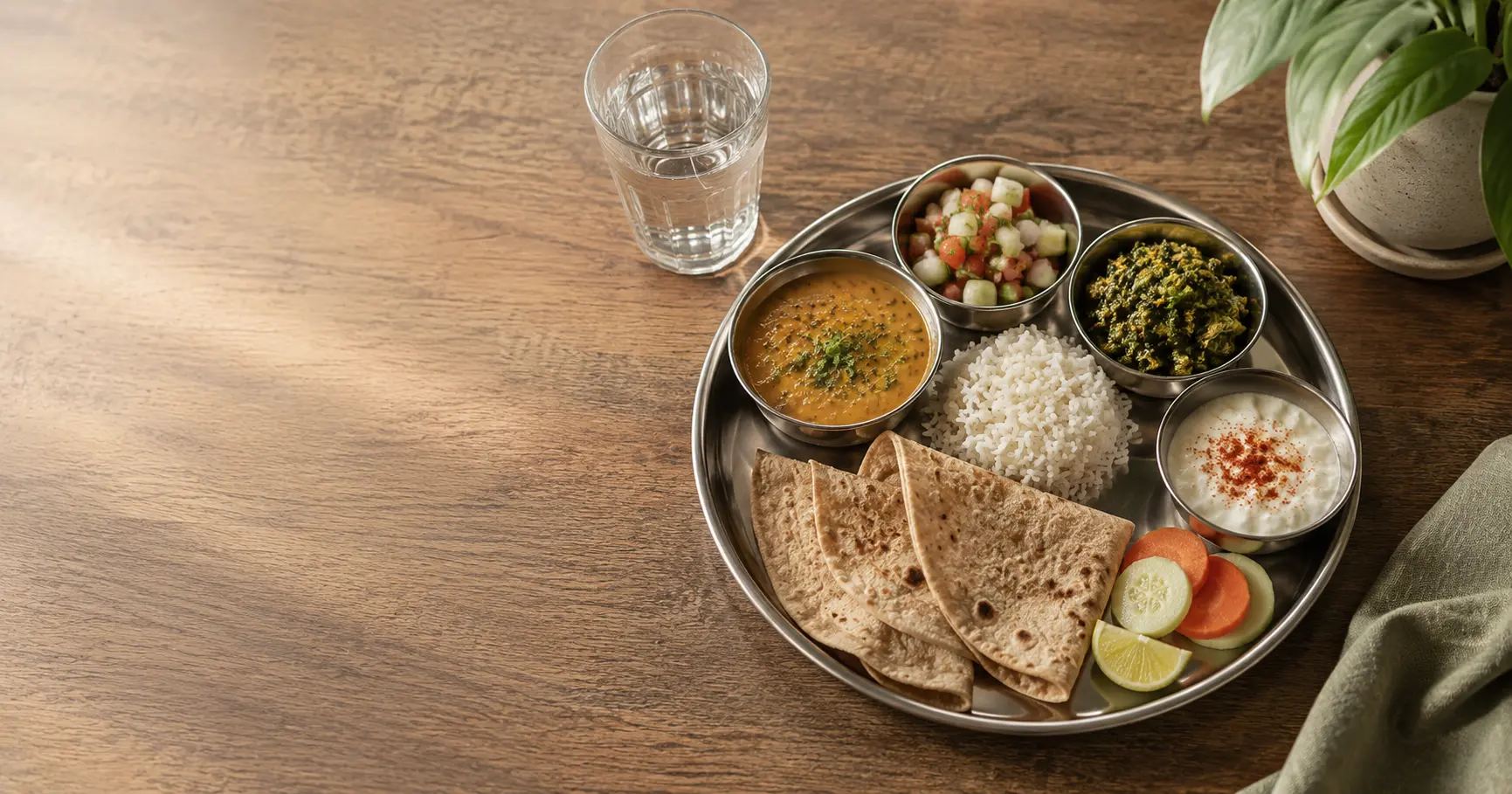
Ask a hundred people on semaglutide or tirzepatide what changed first and most will not say 'my portions'. They say something quieter and stranger: the noise stopped. The 4 pm negotiation with the samosa cart. The mental replay of what's in the fridge during a meeting. Deciding at breakfast what dinner will be. That always-on background radio about food has a name now — food noise — and understanding it changes how you think about weight, willpower, and what these medicines actually do.
What food noise actually is
Food noise is persistent, intrusive, unwanted preoccupation with food — thinking about eating when you are not hungry, cannot stop, and did not choose to start. It is not greed and it is not a character flaw. It is the output of an appetite-regulation system — hypothalamic hunger circuits, dopamine-driven reward pathways, and hormones like ghrelin and GLP-1 — that in some people is tuned loud. Two people can sit in the same office: one forgets lunch exists until 2 pm; the other has spent the morning half-thinking about it. Neither chose their volume setting.
This is why 'just have some discipline' fails as advice. The person with loud food noise is not exercising less willpower — they are spending enormously more of it, hundreds of times a day, on decisions the quiet-brained person never faces. Willpower is a finite resource being drained by a biological signal. Eventually the signal wins a round. Then comes guilt, which changes nothing about the biology.
Why the Indian environment turns the volume up
Food noise is biology, but environment sets how often it gets triggered — and few environments trigger it like ours. Consider an ordinary Indian day through the eyes of an appetite system primed to respond to cues:
- Structured snack rituals: the 11 am and 4–5 pm chai breaks are institutional. Food arrives on a schedule whether hunger does or not, training anticipation into the clock itself.
- Food as love and obligation: refusing a second helping at a relative's home is a social event. 'Bas itna sa' is not a portion, it is a negotiation you will lose. Eating cues come wrapped in relationships, which makes them far harder to decline than a menu.
- The festival calendar: Diwali, Holi, Raksha Bandhan, Eid, weddings season — there is a sweets-centric occasion within reach of almost every month, each with foods that exist only then, adding scarcity to the cue.
- Ambient availability: office tiffins opening at noon, street vendors on the commute, delivery apps that have compressed craving-to-doorstep to twenty minutes. The cue-to-food distance in urban India has never been shorter.
None of this is a criticism of the culture — shared food is one of its glories. But if your appetite circuitry runs loud, Indian daily life is a stadium of triggers, and pretending otherwise is why so many earnest diet attempts here end in self-blame.
What GLP-1 medicines do to the noise
GLP-1 medicines like semaglutide and tirzepatide were designed around glucose and gastric emptying, but they also act on the brain's appetite and reward centres — and that is where the most-reported subjective effect lives. Patients consistently describe the chatter dropping to a whisper: food is still enjoyable when it arrives, but it stops broadcasting between meals. The samosa cart becomes a cart. In research settings this shows up as reduced cravings and lower reactivity to food cues; in clinic it shows up as people discovering, often for the first time in adult life, what a quiet food-brain feels like.
The reframe that matters
If quieting a hormone signal with a hormone-based medicine changes your eating overnight, the eating was never a moral failure — it was biology all along. Most patients describe this realisation as relief.
Living quieter, with or without medication
Medication is the strongest known dial on food noise, but environment still matters — especially for keeping results. The principles are the same either way: reduce ambient cues (snacks out of sight-lines at home and desk), put protein early in the day (the most noise-suppressing macronutrient, a real challenge worth solving in vegetarian households), pre-decide festival and family strategies rather than improvising against a loaded environment, and treat sleep as appetite medicine — short nights reliably turn the noise up the next day.
And if the noise in your head is loud enough that you recognised yourself in the first paragraph: that is precisely the profile that responds well to supervised treatment. It is worth finding out where you stand.
Is it biology? Find out in 60 seconds
A doctor-reviewed assessment of your eligibility for GLP-1 treatment — and what quieting the noise could realistically look like for you.
Key takeaways
- Food noise is intrusive, unchosen mental preoccupation with food — biology, not weak character
- People with loud food noise use more willpower than everyone else, not less
- Indian daily life — chai rituals, family food obligation, festivals, delivery apps — is a uniquely cue-dense environment
- The most-reported GLP-1 effect is the noise going quiet, not just smaller portions
- Environment tuning (cues, protein, sleep) helps everyone, medicated or not
Frequently asked questions
What does 'food noise' mean?
Constant, intrusive thinking about food that you did not choose and cannot easily switch off — planning, anticipating, and negotiating with food between meals. It reflects how loudly your biological appetite system runs, not your character.
Do GLP-1 medicines really reduce food noise?
It is the most consistently reported subjective effect of semaglutide and tirzepatide. These medicines act on appetite and reward pathways in the brain, and patients typically describe food thoughts dropping sharply within the first weeks of effective treatment.
Why do I think about food all the time even when I'm not hungry?
Appetite circuits vary between people, and a cue-rich environment keeps triggering them. Poor sleep, low protein intake, and highly available snack foods all amplify it. If it significantly affects your eating and weight, it is a medical conversation worth having, not a discipline problem.
Ready to take the next step?
Take the free 2-minute eligibility assessment. A doctor reviews it before anything is prescribed — no obligation.
This article is for general educational purposes and is not a substitute for personalised medical advice. GLP-1 medications are prescription-only and not suitable for everyone. Always consult a qualified doctor before starting, changing, or stopping any treatment.