PCOS and Weight Loss: How GLP-1 Breaks the Hormonal Cycle
Insulin resistance drives PCOS weight gain — and GLP-1 medications target insulin signalling directly. Here's the clinical logic, what Indian women tend to experience, and what to expect in the first 90 days.
ALTRcare Medical Team
Clinical Editorial

PCOS affects roughly 1 in 5 women in India and is a leading cause of infertility. Most women with PCOS struggle to lose weight because of the underlying insulin resistance — not a lack of willpower. Understanding that distinction changes everything about how it's treated.
The PCOS–insulin connection
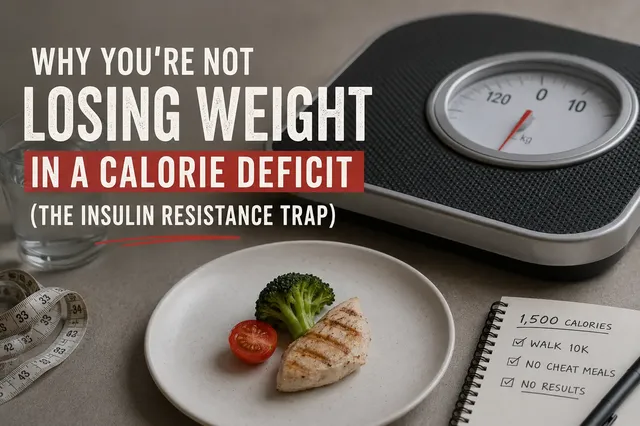
PCOS causes irregular ovulation and excess androgens. In most cases the engine underneath is insulin resistance. High insulin levels push the body toward fat storage, disrupt hunger hormones, and make weight loss through diet alone genuinely difficult — a frustrating, self-reinforcing loop.
Why GLP-1 works for PCOS
GLP-1 medications improve insulin sensitivity directly. For many women with PCOS that means:
- Lower insulin levels → less fat storage
- Restored hunger signalling → more natural portion control
- Improved ovulation → potential fertility benefits
- Reduced inflammation → acne and excess hair growth may improve
Pregnancy note
GLP-1 medications are not used during pregnancy or when actively trying to conceive. If fertility is your goal, this needs to be planned carefully with your doctor.
What the evidence shows
Studies show women with PCOS on GLP-1 therapy lose meaningful body weight (commonly in the 12–20% range over time) and frequently report more regular cycles and reduced androgen-driven symptoms. The combination of weight loss plus hormonal rebalancing is what makes the approach powerful — it treats the cause, not just the number on the scale.
Living with PCOS?
Take the 2-minute assessment. A doctor will look at your full picture — weight, cycles, and insulin signs — before recommending anything.
The first 90 days
Most patients notice reduced appetite and steadier energy within the first few weeks, with measurable changes following over the next two to three months. Cycle regularity, when it improves, tends to follow weight and insulin changes rather than appearing overnight. Patience and supervised dose adjustment matter.
Key takeaways
- PCOS weight gain is usually driven by insulin resistance, not willpower.
- GLP-1s improve insulin sensitivity directly, addressing the root cause.
- Benefits can include weight loss, more regular cycles, and reduced androgen symptoms.
- GLP-1s aren't used in pregnancy — plan fertility goals with your doctor.
Questions about PCOS and GLP-1?
Message our care team — we can talk through your symptoms and goals before you decide anything.
Frequently asked questions
Can GLP-1 medications help with PCOS weight loss?
Yes. PCOS weight gain is largely driven by insulin resistance, and GLP-1 medications improve insulin sensitivity directly, which is why they're often effective when diet alone isn't.
Does semaglutide help with PCOS symptoms beyond weight?
Many women report more regular cycles and reduced androgen-driven symptoms as weight and insulin levels improve. Results vary and should be monitored by a doctor.
Can I take GLP-1 if I'm trying to get pregnant?
No — GLP-1 medications are not used during pregnancy or active conception attempts. If fertility is a goal, plan timing carefully with your doctor.
Ready to take the next step?
Take the free 2-minute eligibility assessment. A doctor reviews it before anything is prescribed — no obligation.
This article is for general educational purposes and is not a substitute for personalised medical advice. GLP-1 medications are prescription-only and not suitable for everyone. Always consult a qualified doctor before starting, changing, or stopping any treatment.