Why Waist Size Predicts Metabolic Risk Better Than BMI for Indians
Indian bodies store more visceral fat at lower BMIs than Western populations. A waist above 90 cm (men) or 80 cm (women) is often a stronger trigger for GLP-1 treatment than BMI alone — and most check-ups never measure it.
ALTRcare Medical Team
Clinical Editorial

BMI is a blunt instrument. For Indian populations, waist circumference is a far better predictor of metabolic disease risk — and it's the number most routine check-ups skip.
The Indian metabolic phenotype
Indians tend to store more fat around the abdomen (visceral fat) than other populations at the same BMI. This “apple-shaped” distribution is closely linked to insulin resistance — even at BMI levels considered “normal.” Two people with an identical BMI can carry very different metabolic risk depending on where the fat sits.
Waist cut-offs (Indian guidelines)
How to measure it
Measure at the midpoint between the lowest rib and the top of the hip bone, after a normal exhale, with the tape snug but not compressing the skin. Do it in the morning for consistency.
Why this matters for GLP-1
Visceral fat drives insulin resistance and inflammation. If your waist is above these thresholds, you likely have some degree of insulin resistance even if your BMI looks fine. GLP-1 medications act directly on insulin signalling and appetite, which makes them particularly effective at reducing visceral fat — often the fat that matters most for long-term health.
Know your number, know your risk
Our assessment factors in waist circumference, not just BMI. Take the 2-minute version to see where you stand.
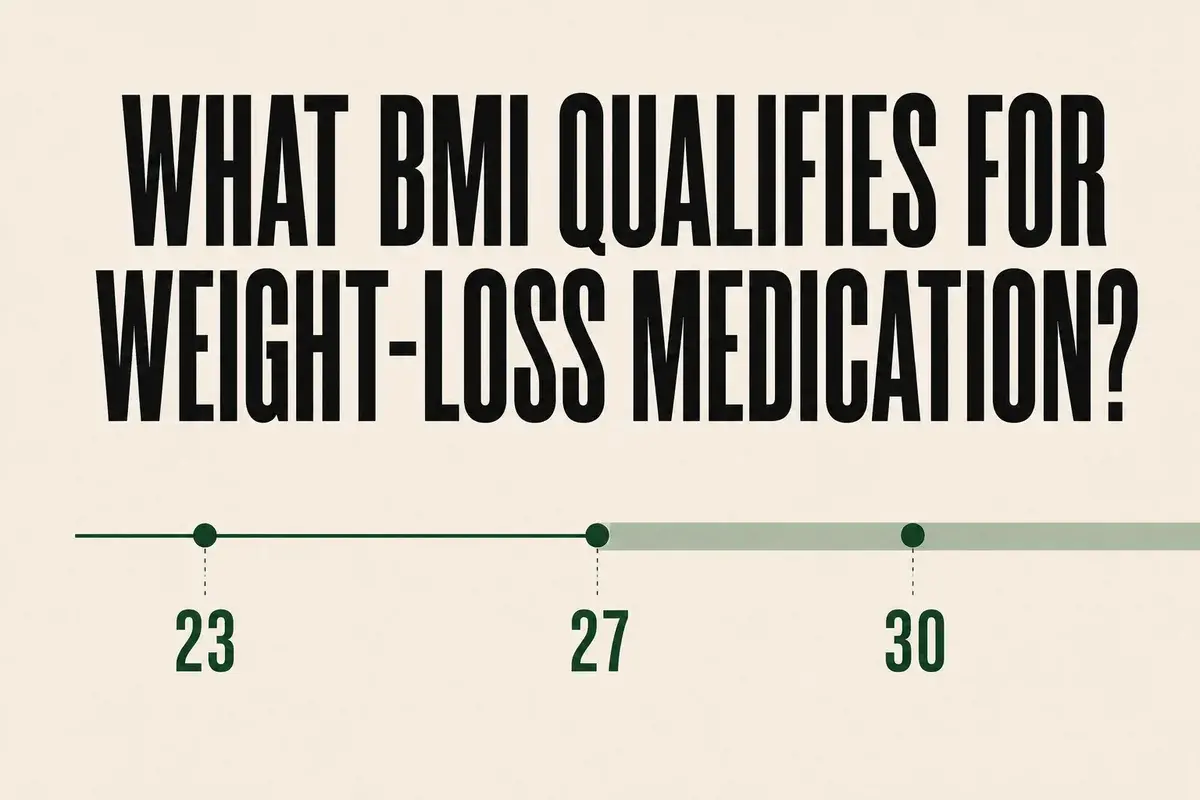
At ALTRcare we measure both BMI and waist circumference because they tell different stories. A waist above 90 cm is frequently a stronger indicator for GLP-1 therapy than a BMI of 28.
Key takeaways
- BMI misses where fat is stored; waist size captures visceral fat, which drives metabolic risk.
- Indian cut-offs are stricter: >90 cm (men), >80 cm (women).
- A high waist can signal insulin resistance even at a 'normal' BMI.
- Waist size is often a stronger trigger for GLP-1 treatment than BMI alone.
Not sure how to read your numbers?
Message our care team and we'll help you interpret your waist and BMI together.
Frequently asked questions
What waist size is risky for Indians?
By Indian guidelines, a waist above 90 cm in men or 80 cm in women indicates elevated metabolic risk — stricter thresholds than Western standards.
Why is waist size better than BMI for Indians?
Indians store more visceral (abdominal) fat at the same BMI, and visceral fat drives insulin resistance and inflammation. Waist size captures this better than BMI.
Ready to take the next step?
Take the free 2-minute eligibility assessment. A doctor reviews it before anything is prescribed — no obligation.
This article is for general educational purposes and is not a substitute for personalised medical advice. GLP-1 medications are prescription-only and not suitable for everyone. Always consult a qualified doctor before starting, changing, or stopping any treatment.